
Birdwatching in Colombia's Coffee Region
Colombia has more bird species than any other country, and the Coffee Cultural Landscape is one of its best birding destinations: cloud forests, coffee farms, wetlands and páramo, all within a few hours of each other.
Updated: · Espontáneos Travel
If it's your first time
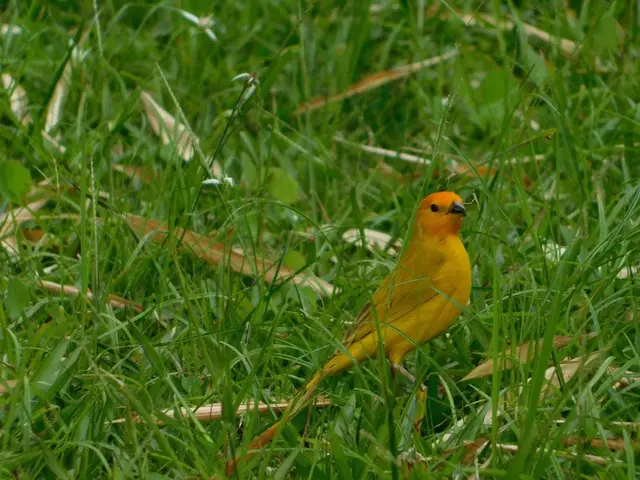
Start with a short outing with an expert guide in a nature reserve near your hotel. You set off between 5:00 and 6:00 a.m., when birds are most active; breakfast, binoculars and a bird checklist are included.
Even if you have never been birding, you are likely to see and photograph the Andean motmot, the emerald toucanet, hummingbirds and several species of tanager.
For experienced birders
At the best birding sites in the Coffee Cultural Landscape, eBird records between 170 and 370 species per location. A specialist guide plans the route around the species your group is looking for.
Must-visit nature reserves
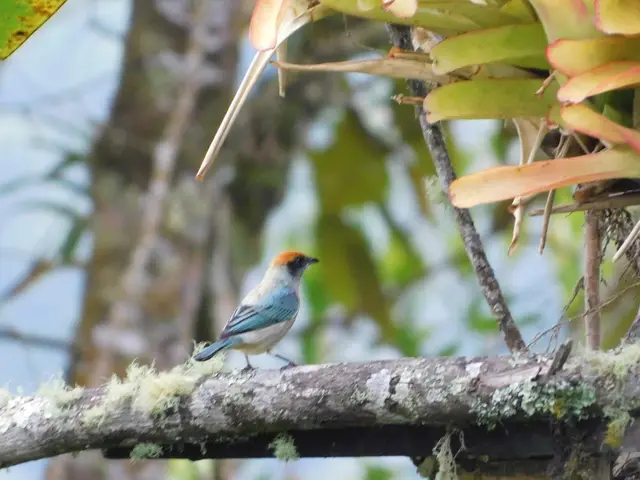
Río Blanco Reserve, minutes from Manizales, is one of Colombia's best-known birding destinations, famous for its antpitta feeders.
The Otún Quimbaya Flora and Fauna Sanctuary, less than an hour from Pereira, is a refuge for the Cauca guan, a bird endemic to Colombia, and for howler monkeys.
Between Filandia and Pereira, Barbas-Bremen is one of the last corridors of Andean forest in the region. In the Barbas river canyon lies the Bremen–La Popa Important Bird Area (IBA), with a wide, flat trail.
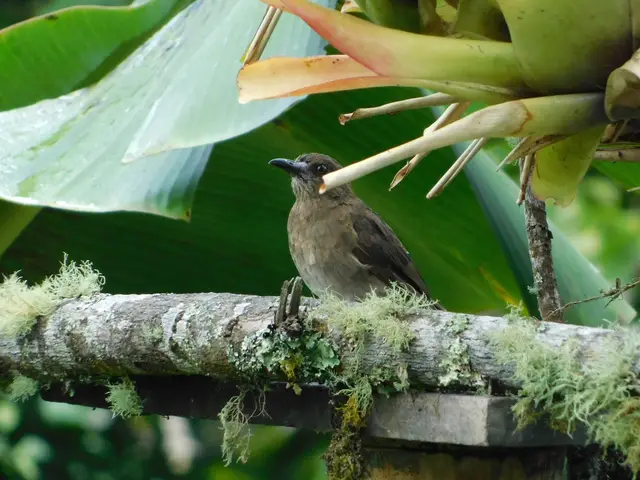
High mountains: wax palms and páramo
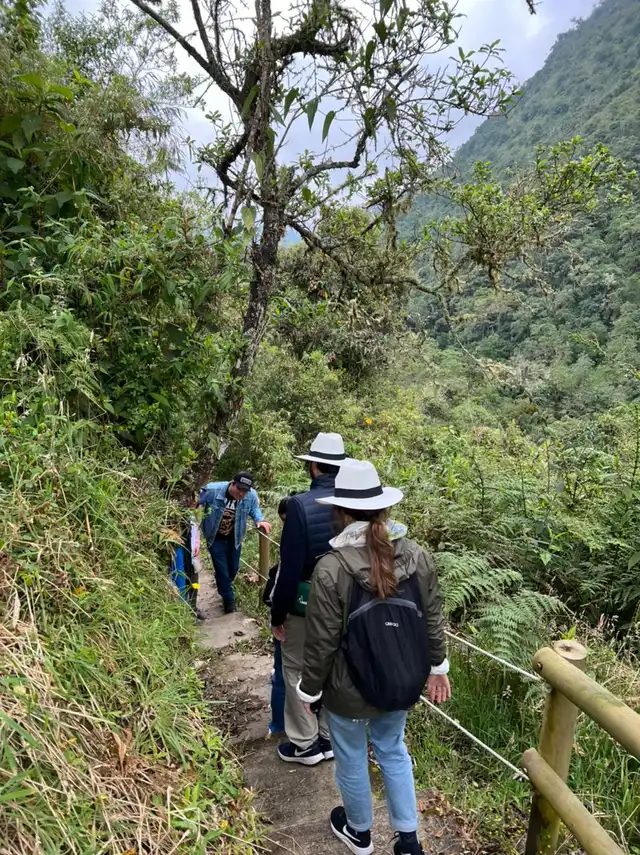
The Camino Nacional, the route Humboldt and Bonpland travelled in 1801, crosses cloud forest at 3,370 m above sea level. It is one of the best places in the country to see the yellow-eared parrot, which nests in the wax palm and was once on the brink of extinction.
At Alto del Campanario, between 3,400 and 4,600 m, you look for páramo and high Andean forest birds: mixed flocks, tapaculos, antpittas and high-altitude tanagers, among mist and frailejones (páramo plants). Good physical fitness is needed.
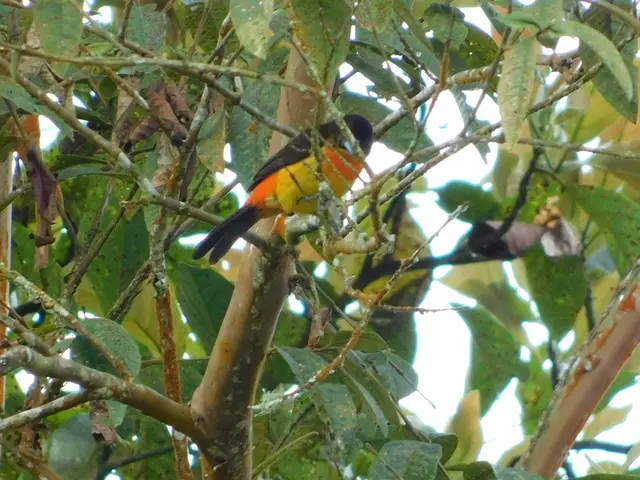
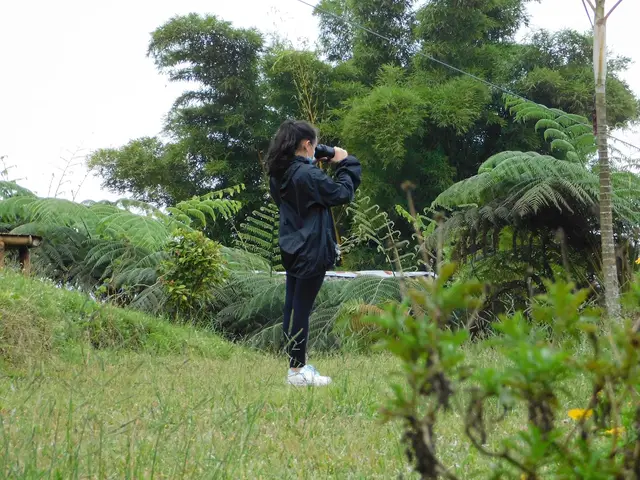
Easy routes and bird photography
In Circasia, a bird garden with a covered terrace lets you watch and photograph birds with no physical effort, sheltered from sun and rain. It is ideal for people with reduced mobility.
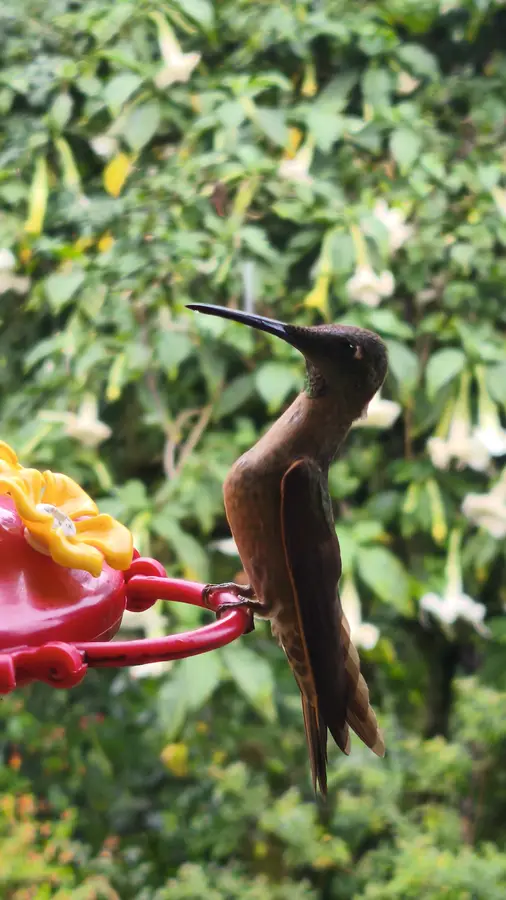
The feeders at Retorno del Colibrí, in Tolima (departing from Quindío), are designed for close-up hummingbird photography. The Rancho California wetland, in the Barragán river valley, is a flat walk to see waterbirds.
In Caicedonia, in northern Valle del Cauca, more than 325 bird species gather among coffee farms, lakes and wetlands.
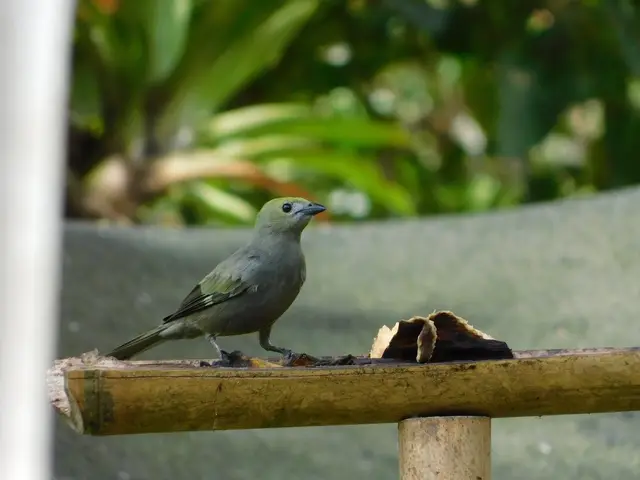 Birds · Bird garden in Circasia4 hBird photography under cover, with coffee, in a garden next to the forest.
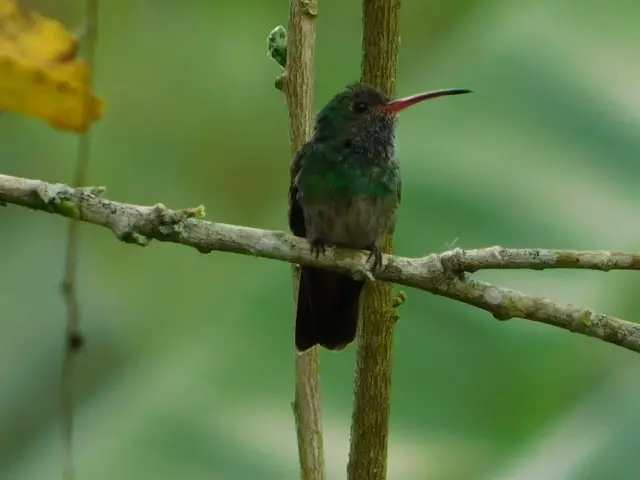 Birds · Retorno del Colibrí (feeders and photography)4 hFeeders for photographing hummingbirds and endemic birds up close.
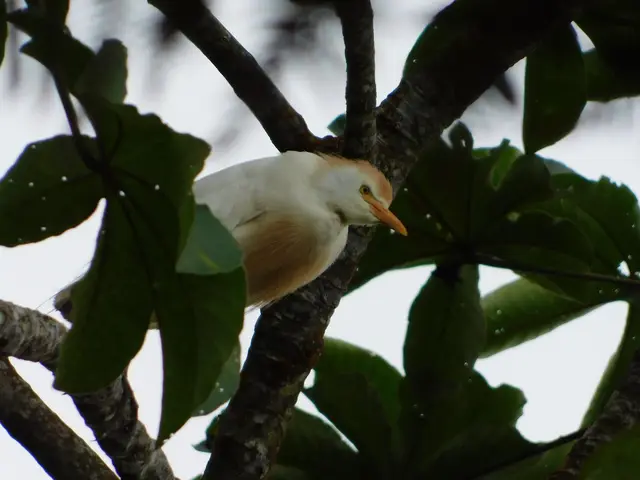 Birds · Rancho California (waterbirds)4 hA waterbird wetland in the Barragán River valley.
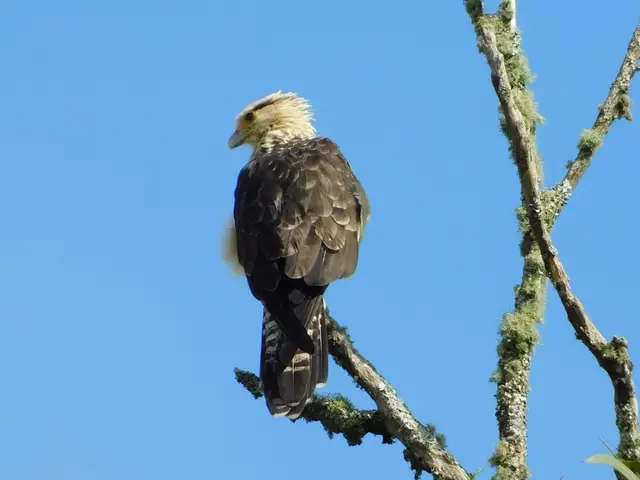 Birds · Caicedonia and Sevilla (Valle del Cauca)4 hMore than 325 bird species among coffee plantations, lakes and wetlands.
When to go and what to pack
You can see birds all year round, and early morning is the best time. Mornings in the mountains are cold and it may rain.
Wear long sleeves in green, brown or olive tones (avoid white and bright colours) and bring a rain jacket, hiking boots, insect repellent and water. For the high mountains, add thermal layers, gloves and a hat. If you have binoculars or a camera, bring them.
FAQ
How many bird species are there in the Coffee Region?
Colombia has more bird species than any other country. At the best sites in the Coffee Cultural Landscape, eBird records between 170 and 370 species per location, and Caicedonia alone has more than 325.
Do I need experience or binoculars?
No. On the beginners' outing we lend you binoculars and give you a bird checklist. If you have binoculars or a camera, bring them.
What time do the tours start?
Very early. The beginners' outing leaves between 5:00 and 6:00 a.m., when birds are most active.
Are there options for people with reduced mobility?
Yes. The bird garden in Circasia is enjoyed from a covered terrace, with no physical effort.